Entdecken Sie mit uns den Amazonas Regenwald in Ecuador mit seiner riesigen Artenvielfalt

Coati-costa-rica-wildlife-natur-safari-south-amerika

Das Amazonasgebiet von Ecuador, auch der Oriente genannt, breitet sich am Fusse der östlichen Andenkette aus. Die Region ist ca. 100.000 km² gross und äusserst dünn besiedelt. Das Klima der Region ist feuchtheiss tropisch. Das Gebiet ist noch weitgehend von unberührten, immergrünen Regenwäldern überzogen und bietet weltweit die grösste Tier- und Pflanzenvielfalt pro Quadratmeter.

Zu seinen Bewohnern zählen unter anderem Tapire, Schildkröten, Alligatoren, Flussdelphine, Anakondas und Königsschlangen, Jaguare, Hirsche, Gürteltiere, Bären, Affen, Riesennagetiere sowie über 600 Fischarten, unvorstellbar viele Vögel und Schmetterlinge – von den unzähligen Pflanzen ganz zu schweigen.

Die Region können Sie von der Lodge aus mit einem Kajak oder einem Boot auf dem Fluss sowie per Fuss mit einem Reiseführer zusammen erkundigen.

CM Travels | Napo Wildlife Centre

Galapagos

Die Galapagosinseln sind eine Inselgruppe vulkanischen Ursprungs im Pazifik und gelten als eines der besten Reiseziele zur Wildtierbeobachtung weltweit. Die Inseln bilden eine Provinz Ecuadors und liegen etwa 1.000 km vor der Küste.

Durch die isolierte Lage konnte hier eine Vielzahl von Pflanzen- und Tierarten überleben, die zum Grossteil nirgendwo sonst auf der Erde vorkommen.

Charles Darwin besuchte die Inseln im Jahr 1835 und stützte sich später bei der Entwicklung seiner Evolutionstheorie auf seine hier gemachten Beobachtungen.

The Galapagos Islands area situated in the Pacific Ocean some 1,000 km from the Ecuadorian coast. This archipelago and its immense marine reserve is known as the unique ‘living museum and showcase of evolution’. Its geographical location at the confluence of three ocean currents makes it one of the richest marine ecosystems in the world. Ongoing seismic and volcanic activity reflects the processes that formed the islands. These processes, together with the extreme isolation of the islands, led to the development of unusual plant and animal life – such as marine iguanas, flightless cormorants, giant tortoises, huge cacti, endemic trees and the many different subspecies of mockingbirds and finches – all of which inspired Charles Darwin’s theory of evolution by natural selection following his visit in 1835.
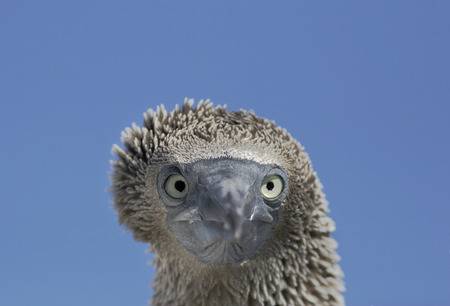
CM Travels | Blue footed booby | sula nebouxii | immature head portrait elizabeth bay isabela galapagos islands ecuador
error: Content is protected !!

Let’s make your vision a reality!

Please leave your Name and Email and we will respond to you as soon as possible.

Let’s make your vision a reality!

Please leave your Name and Email and we will respond to you as soon as possible.

Let’s make your vision a reality!

Please leave your Name and Email and we will respond to you as soon as possible.

Let’s make your vision a reality!

Please leave your Name and Email and we will respond to you as soon as possible.